


Wiring 101: A Homeowner’s Guide to Understanding Your Electrical System
Understanding your home’s electrical system is vital for ensuring safety and peace of mind. Many homeowners feel uneasy about tackling electrical issues, worrying about risks like shocks or fires. However, knowing a bit about how your electrical panel works can make all the difference.
Just like tending a garden requires understanding soil and plants, maintaining your home’s electrical system demands some basic knowledge of its inner workings. With effort put into crafting this guide from personal insights and professional expertise, we’ll walk you through the essentials—from what your electrical panel does to practical tips for staying safe while performing routine maintenance tasks.
As a homeowner, it’s crucial to grasp the main components of your electrical system, including the service panel (breaker box), circuit breakers, grounding, and different types of electrical wiring. Understanding these components can help you address potential hazards and make informed decisions about maintenance and upgrades.
Electrical Panel Overview
Think of the electrical panel as the command center of your home’s electrical system. It serves as the brain that directs electricity to where it needs to go. When you turn on a light, plug in an appliance, or charge your devices, the electrical panel is at work behind the scenes, ensuring everything gets the power it needs to operate.
Capacity and Circuit Protection
The capacity of the electrical panel refers to amps (amperes), measuring the amount of electricity flowing through it. Most modern residential electrical panels have a capacity between 100 and 200 amps, determining the safe electrical load for your house without overloading the system.
Inside the electrical panel, there is a breaker that protects each circuit in your home. When a circuit is overloaded—meaning there’s too much demand for electricity— the breaker trips. This is a critical safety feature that prevents overheating, potential fires, and damage to your electrical devices.
Importance of Regular Inspections
Regular inspection and maintenance of your electrical panel are paramount, given its critical role in powering your home and ensuring safety. Qualified professionals, such as those at Peder Power, play a crucial role in maintaining the integrity and reliability of your electrical panel.
A professional inspection involves checking for loose connections, signs of wear and tear, corrosion, and proper functioning of breakers. This proactive approach helps prevent potential hazards and ensures that your panel operates safely and efficiently.
By understanding how the electrical panel works and its importance in maintaining a safe and efficient electrical system, you’re better equipped to prioritize its upkeep and ensure continued peace of mind in your home.
Essential Safety Tips
When it comes to working with electricity, safety should always be the top priority. Here are some important tips to ensure that you and your home are well-protected:
Tip I: Turn Off Power Before Repairs
Before beginning any electrical work, it is crucial to turn off the power at the electrical panel. This reduces the risk of electric shock, as you won’t be working with live wires. By switching off the main breaker, you can disconnect power to the entire house, ensuring a safe environment for maintenance or repairs.
Tip II: Use Proper Tools
Always make sure to use insulated tools specifically designed for electrical work. These tools provide an extra layer of protection against electric shock. Additionally, non-conductive gloves are advisable to further minimize the risk of injury.
Tip III: Avoid Water
Water and electricity are an extremely dangerous combination. Never work with electricity in damp or wet conditions, as water significantly increases the risk of electric shock. It’s important to remember that even a small amount of moisture can create a hazardous situation when combined with electrical components.
For instance, a situation where a person is standing on a wet surface while attempting electrical repairs greatly escalates the risk of an electrical accident or injury.
Following these essential safety tips will not only help to prevent accidents but also foster a secure environment for all occupants in your home. Remember, when it comes to electricity, safety comes first—every single time.
Understanding and implementing these vital safety measures lays the foundation for safe and effective electrical maintenance in your home.
Identifying Wires and Circuits
One of the most crucial aspects of understanding your home’s electrical system is being able to identify wires and circuits. This knowledge ensures you can navigate your home’s electrical setup safely and effectively.
Color-Coded Wires
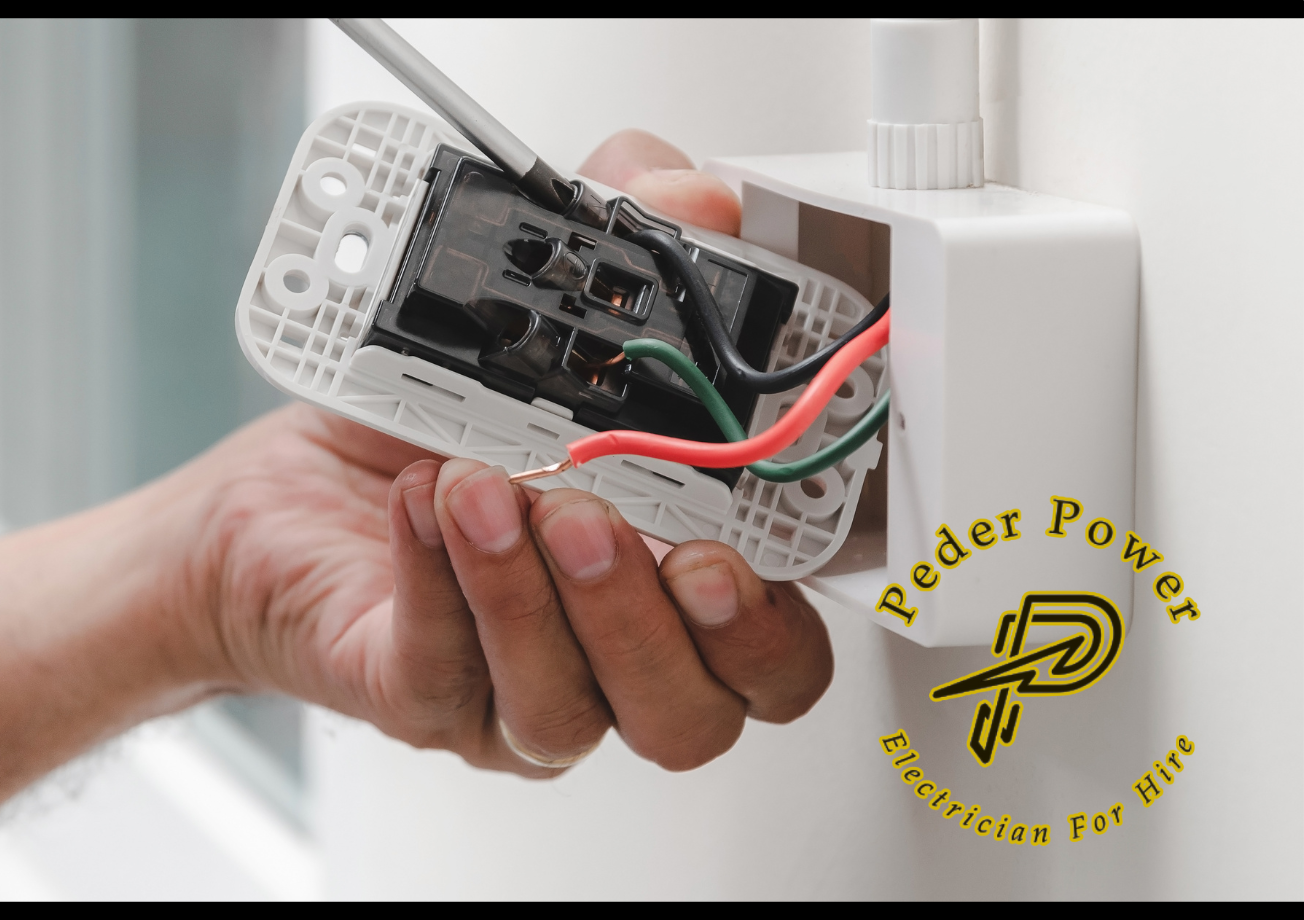
Black or red wires: Are hot wires that carry electricity from the circuit breaker to the outlet or device it powers. White wires: Are neutral wires, providing the return path for electric current. Green or bare wires: Are grounding wires, offering a safe path for electricity to flow to the earth in case of a fault.
Knowing these color codes is crucial for anyone working on electrical projects. For example, if you’re installing a new light fixture, you must connect the hot wire (black or red) from your new fixture to the hot wire in your ceiling. Mixing this up could lead to a serious safety hazard. Understanding wire colors is vital.
Circuit Labels
In addition to understanding wire colors, having clear labels for the circuits in your electrical panel is also important. Every circuit should be clearly labeled to indicate which rooms or devices it controls. These labels are essential for quick identification and isolation of issues when troubleshooting electrical problems.
Just imagine walking into a dark room with no labels and trying to figure out which light switch controls which room. It would be quite frustrating, wouldn’t it? The same goes for your electrical panel; having well-labeled circuits makes troubleshooting much easier.
Properly labeled circuits can save valuable time when you need to turn off power in specific areas of your home. Whether it’s changing a light fixture or diagnosing an issue with an outlet, having clearly labeled circuits streamlines the process and minimizes guesswork.
Understanding wire colors and having well-labeled circuits goes a long way in ensuring your interactions with your home’s electrical system are safe and efficient.
Device and Outlet Functionality
Electrical outlets are the gateways through which electricity flows to power our various devices and appliances. It’s crucial to understand the distinct functionalities and purposes of different outlets to ensure proper usage and safety within your home. Let’s begin by exploring the various types of outlets commonly found in residential electrical systems.
Types of Outlets
When it comes to outlets, you might have noticed that they come in different shapes and sizes. The standard outlets usually include polarized and grounded types, each serving specific purposes.
- Polarized outlets are recognizable by their two vertical slots of different sizes, designed to ensure that plugs can only be inserted in one way, helping maintain an accurate flow of electricity.
- On the other hand, grounded outlets offer increased safety through their three-prong configuration. In addition to the two vertical slots for hot and neutral wires, grounded outlets feature a round hole for the grounding conductor. This grounding wire connects to outlets and metal boxes, providing an essential path for electric currents during potential faults or surges. It acts as a crucial safety measure against electrical shock, specifically when using devices with metal housings or connecting electronic equipment.
GFCI Outlets
In specific locations where water is present, like bathrooms, kitchens, or outdoor areas, you may find Ground Fault Circuit Interrupter (GFCI) outlets installed for enhanced protection. These outlets are engineered with a special mechanism that allows them to shut off power automatically upon detecting an imbalance between incoming and outgoing current. GFCI outlets are a crucial line of defense against potential electrical shock due to exposed wiring or appliances coming into contact with moisture because water is a good conductor of electricity.
These safety devices play a critical role in preventing electrical accidents and should be regularly tested to ensure their proper functionality. Given their importance, it’s essential to have a clear understanding of where these GFCI outlets are located within your home and how they contribute to safeguarding against potential hazards.
Understanding the unique functionalities of different outlet types allows homeowners to make informed decisions when utilizing electrical devices throughout their homes. By recognizing the purpose and design behind each outlet, individuals can take proactive measures to prevent accidents while enjoying the convenience of modern electrical appliances.
Having equipped ourselves with knowledge about outlet functionalities, now let’s navigate through the territory of circuit protection and learn about breakers and fuses in our electrical system.
Breakers and Fuses Explained
When it comes to electrical safety, breakers and fuses play a crucial role in protecting your home from potential hazards. Let’s start with fuses. Fuses act as the old guardians of your electrical system. When there’s too much electricity flowing through a circuit, the fuse fulfills its duty by melting and breaking the circuit, preventing any potential damage to your devices or even a fire. However, once they blow, fuses need replacing, making them less convenient than circuit breakers.
Unlike fuses, circuit breakers act as the modern superheroes of electrical safety. They’re designed to automatically cut off power when they detect an overload or a short circuit. This swift response saves your electrical system from damage and reduces the risk of electrical fires. The ability to reset a tripped breaker is one of its major advantages over fuses because you don’t have to replace anything physically.
It’s important to note that while both fuses and circuit breakers serve the same purpose—protecting your circuits from overloads—circuit breakers offer convenience, cost savings, and improved safety compared to fuses, which is why they are commonly used in modern homes.
Choosing Between Breakers and Fuses
If you have an older home with a fuse-based system, it might be worth considering an upgrade to circuit breakers for enhanced safety and ease of maintenance. Circuit breakers can handle a range of situations better than fuses, making them a more reliable choice when it comes to protecting your home’s electrical system.
For instance, imagine you’re in the middle of cooking dinner and suddenly all the lights in the kitchen go out. If you have a tripped breaker, all you need to do is flip the switch back on to restore power, whereas if you had a blown fuse, you’d have to find a replacement and replace it before getting things up and running again.
In summary, understanding the differences between breakers and fuses is essential for maintaining a safe and functional electrical system in your home. Knowing how each component works can help you make informed decisions about upgrades or repairs to keep your home as safe as possible. Remember, while fuses had their time and place in history, modern technology has made circuit breakers the go-to choice for safety and convenience in today’s homes.
With a solid grasp on the significance of breakers and fuses, let’s now zero in on being ever-vigilant against potential threats of electrical mishaps within our homes.
Recognizing Power Hazards
Electricity is an incredible force that powers our homes but must be handled with care. There are several common power hazards that homeowners should be aware of in order to maintain a safe living environment.
Overloaded Outlets
Think of outlets like buffet tables; when there’s too much food crowded onto one table, it can result in spills and chaos. Similarly, plugging too many devices into one outlet can cause it to overheat, leading to damaged appliances, overheating, and even fire. To prevent this, use power strips with surge protectors when you need to connect multiple devices. It’s also important to identify dedicated outlets for high-powered appliances like refrigerators or air conditioners instead of connecting them to extension cords.
Frayed Wires
Now imagine a rope that’s unraveling—this is what frayed wires are like. When wires wear out, they become more susceptible to short circuits, which are quick and unintended connections between wires carrying electricity. Regularly inspect the wires throughout your home for any signs of fraying or damage. If you find any, you should replace them immediately to prevent shorts or shocks from occurring.
It’s also a good idea to use cord protectors on high-traffic areas where people could trip over them. This not only protects the wires from being damaged but also reduces the risk of someone getting injured from tripping over them.
Water Leaks
Water and electricity are a dangerous combination—like oil and water, they just don’t mix well. Any electrical installations near plumbing or areas prone to leaks should be approached with caution. If water comes into contact with electrical wiring or outlets, it can lead to electric shock or cause short circuits, posing serious safety risks.
When installing outlets or switches in areas with water sources, such as kitchens and bathrooms, always ensure that ground-fault circuit interrupters (GFCIs) are installed. GFCIs are designed to quickly shut off power when they detect a ground fault or a leakage of electric current, providing an additional layer of safety.
Keeping an eye out for these hazards and addressing them proactively ensures that your electrical system remains safe and reliable for everyone in your household.
As you stay vigilant against potential power hazards in your home, it’s equally important to know how to troubleshoot common issues that may arise. Now, let’s navigate through the common glitches homeowners encounter with their electrical systems.
Troubleshooting Common Issues
There’s nothing worse than dealing with electrical issues in your home, but rest assured, most of them are manageable. Here are some common electrical problems you might encounter and how to troubleshoot them:
Flickering Lights
If your lights flicker, it’s usually a sign of loose bulbs, faulty switches, or even an overloaded circuit. First, ensure the bulbs are tightly screwed in and the switches are working properly. If that doesn’t solve the problem, try reducing the number of devices on the circuit. Newer LED bulbs tend to flicker when dimmer switches are used, so it might be worth checking if this applies to your setup before making other changes.
Tripping Breakers
When a circuit breaker frequently trips, it’s often due to an overloaded circuit. This can happen when there are too many devices plugged into the same circuit. Try redistributing these devices across different circuits to relieve the load. If the problem persists, then it’s best to consult a professional from Peder Power to assess the situation.
Dead Outlets
A dead outlet can be pretty frustrating, but there are a few reasons why it might occur. It could be due to a tripped GFCI (Ground Fault Circuit Interrupter), a blown fuse in older systems, or faulty wiring. Start by resetting the GFCI outlet, if it’s a standard one that’s connected to the dead one, by pressing the reset button. If that doesn’t work, check your service panel for any blown fuses; this may resolve the issue. However, if none of these solutions work, it’s time to call in a professional electrician.
Understanding what triggers these problems and learning how to address them will not only save you money in unnecessary service calls but also give you peace of mind in keeping your home safe from potential electrical hiccups.
If you need further assistance or encounter more complex electrical issues, do not hesitate to reach out to us at Peder Power. Call us at (612) 208-3826.
What are the common signs of electrical problems in a home?
The common signs of electrical problems in a home include frequent circuit breaker tripping, flickering lights, buzzing or sizzling sounds, burning smells, warm outlets or switches, and discolored outlets. These symptoms could indicate overloaded circuits, loose connections, faulty wiring, or outdated electrical systems. According to the U.S. Fire Administration, electrical malfunctions account for 6.3% of residential fires annually, making it crucial to address these issues promptly to ensure safety and prevent potential disasters.
What are some tips for saving energy and improving efficiency in an electrical system?
Some tips for saving energy and improving efficiency in an electrical system include using LED light bulbs, which are more energy-efficient than traditional incandescent bulbs and can last up to 25 times longer. Additionally, installing smart thermostats can help regulate temperature settings and reduce energy consumption by up to 15%. Unplugging electronics when not in use or utilizing power strips with on/off switches can prevent standby power usage, which accounts for around 5% of household electricity consumption. By implementing these practices, homeowners can save both energy and money in the long run.
How can homeowners safely perform basic maintenance on their electrical systems?
Homeowners can safely perform basic maintenance on their electrical systems by following a few key guidelines. Firstly, always turn off the power before working on any electrical components. Secondly, ensure proper insulation and protection for all wires to prevent accidents. Furthermore, regularly inspect and replace damaged or worn-out devices like outlets and switches. Lastly, consult licensed professionals for complex tasks or when in doubt. According to the U.S. Consumer Product Safety Commission, electrocutions caused by consumer products have decreased by 59% from 1998 to 2018, emphasizing the importance of proper maintenance and safety precautions.
How does electricity flow through a residential electrical system?
Electricity flows through a residential electrical system in a circuit, starting from the main power source (usually the utility company) and ending at the various outlets and appliances in the house. The power source provides electricity at a specific voltage and frequency, typically 120 volts in North America. This electrical energy travels through conductors, such as wires and cables, which distribute it throughout the home. Breakers or fuses act as protection devices to prevent overloading and short circuits, thus ensuring safety. According to the U.S. Fire Administration, electrical malfunctions are responsible for around 25,900 residential fires annually, making understanding and maintaining your electrical system crucial for safety.
What are the major components of an electrical system in a home?
The major components of an electrical system in a home include the main service panel, circuit breakers, wiring, outlets, and switches. The main service panel acts as the central hub and distributes electricity to the rest of the house through circuit breakers, which protect against overloading and short circuits. The wiring connects all the electrical devices together, allowing for the flow of electricity. Outlets provide access to power throughout the house, while switches control the on/off function of lights and appliances. According to data from the U.S. Fire Administration, faulty wiring is one of the leading causes of residential fires, highlighting the importance of understanding and maintaining these components properly.