


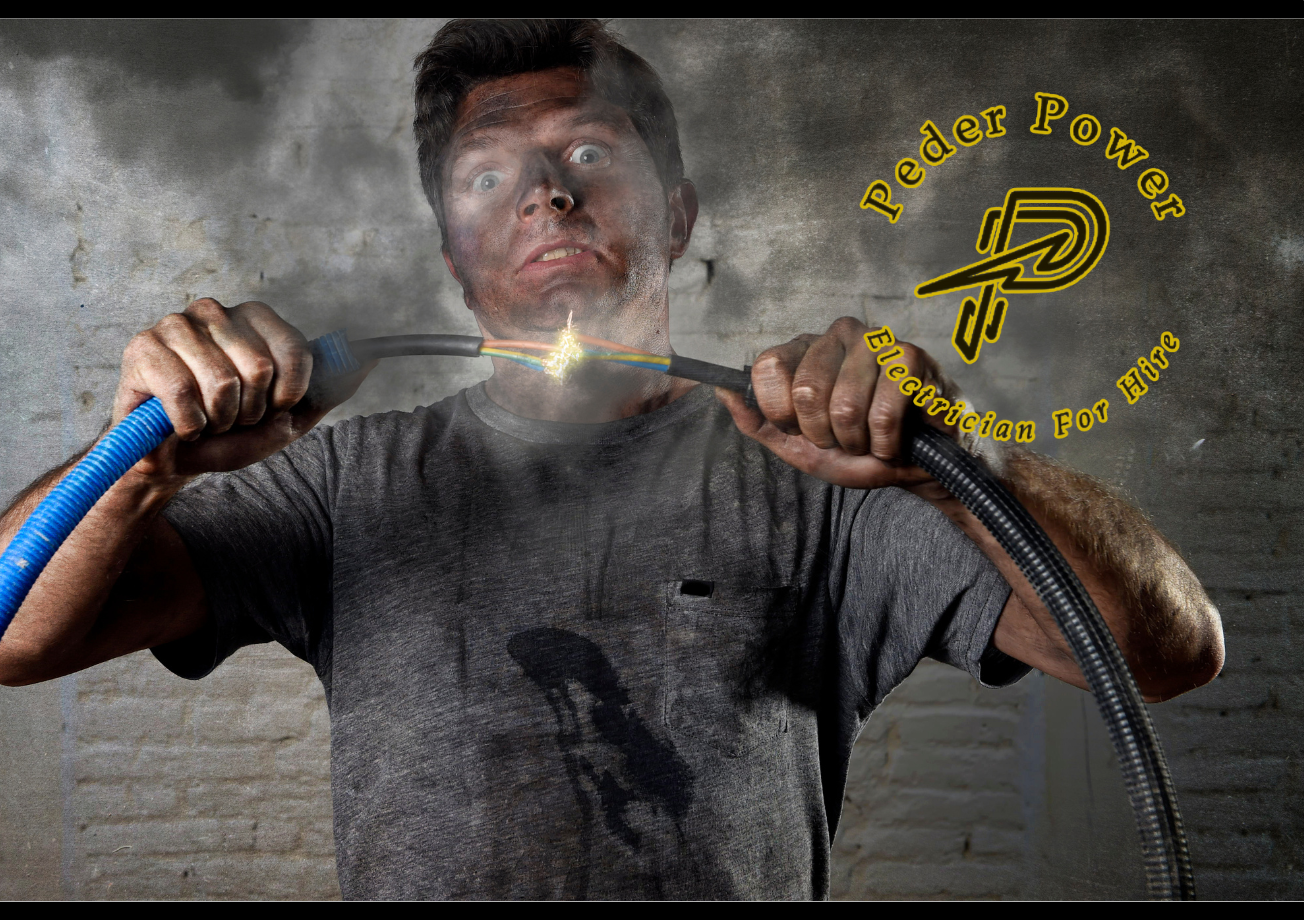
The Risks of DIY Electrical Work: Why You Should Always Call the Pros
Many people enjoy the satisfaction of completing home improvement tasks themselves, but when it comes to electrical work, even small mistakes can have severe consequences. For instance, did you know that improper wiring or overloaded circuits often cause electrical fires? With so much at stake, it’s crucial to fully understand the risks involved before grabbing those tools.
While it may seem like a great way to save money and achieve a sense of accomplishment, amateur electrical work often underestimates its complexities. Tutorials make it look easy, but without proper training and experience, here’s what you might be overlooking…
The risks of DIY electrical work include the potential for electrical fires, electrocution, damage to the electrical system, and legal ramifications if work is completed without proper permits. It’s always recommended to contact a professional electrician for any electrical repairs or installations to ensure safety and compliance with local regulations.
Why Do People Opt For DIY Electrical Work?
People have their reasons for taking on DIY electrical work. One common motivator is undoubtedly the desire to save money. It’s true that hiring a professional electrician can come with a hefty price tag, and many homeowners are attracted to the idea of cutting costs by doing the work themselves. The availability of tutorials and videos online also adds to this temptation, as they make complex tasks appear easy and manageable, encouraging people to take on projects that they might not be fully equipped to handle.
Moreover, there’s a certain satisfaction that comes with being able to fix things independently. It’s a sense of achievement and self-reliance—knowing that you’ve successfully tackled a problem without needing to rely on outside help. This feeling is a powerful driving force for many individuals, leading them to overlook the potential risks and hazards associated with electrical work.
Additionally, some homeowners believe that simple electrical repairs, such as changing a light switch or installing a ceiling fan, don’t require professional skills. They might think, “It’s just connecting a few wires, what could go wrong?” This underestimation of the complexity of electrical systems and the potential dangers often leads people to take on tasks that should ideally be left to experienced professionals.
So, while the intentions behind DIY electrical work may be rooted in practicality and self-sufficiency, it’s important to recognize the potential risks involved in handling electrical systems without the necessary expertise.
Understanding why people are drawn to DIY electrical work sheds light on their motivations and rationale. However, it’s crucial to balance these motivations against the serious risks and consequences of amateur electrical work.
Having explored the motivations behind DIY electrical work and its associated risks, let’s now dive into the specific hazards that individuals face when undertaking such projects.
Common Hazards of DIY Electrical Projects
When it comes to DIY electrical work, there’s a saying: “What you don’t know can hurt you.” It’s not just a catchy phrase, it’s a stark warning. Improper wiring is perhaps the most common and dangerous mistake in DIY electrical projects. Let me paint a picture for you: Imagine connecting wires without knowing which ones should go together or neglecting to secure them properly. The result? Short circuits, overloaded circuits, and increased risk of electrical fires. These are not minor issues; they literally have the power to destroy your property and harm those living in it.
Improper wiring can lead to hazardous situations that are difficult to spot until they become serious threats. Do you know what makes it even trickier? Even if everything seems fine at first, over time, loose connections can develop and worn-out parts can start causing problems. This simply means that without professional knowledge and inspection, you might not realize there are warning signs of system failures until it’s too late.
Now let’s talk about using the wrong gauge wire. It’s one of those tiny details that homeowners often overlook, but its impact can be substantial. Think about it this way: if the wire isn’t thick enough for the load it’s carrying, it heats up. That heat is a clear hazard. In the worst-case scenario, overheating can spark an electrical fire.
For example, imagine running a power-hungry appliance using a lightweight extension cord meant for low-power tools. If that extension cord heats up, so does your risk of fire.
It all comes down to this: DIY electrical projects can quickly escalate into life-threatening hazards when the correct tools, knowledge, and techniques aren’t utilized. The risks involved are too heavy to bear when simple mistakes can lead to such severe consequences. It’s important that homeowners recognize the value of expertise when approaching electrical maintenance or repairs.
Moving forward, we’ll examine the potential ramifications of these hazards on both property and personal safety.
Risks of Electrical Fires and Shocks
When it comes to DIY electrical work, the dangers of electrical fires and shocks should not be taken lightly. Electrical fires are a leading cause of house fires in the United States, responsible for a significant number each year. Statistics from the National Fire Protection Association indicate that electrical distribution or lighting equipment was involved in the ignition of 24% of home structure fires reported in the U.S. between 2014-2018.
Electrical Fires
The aftermath of an electrical fire is daunting; the damage caused by these fires can range from mild to severe and, in worst-case scenarios, even lead to fatalities. Improper installations or faulty repairs resulting from DIY electrical work can act as triggers for these fires. This might be the result of poor wiring, overloaded circuits, or other electrical system malfunctions that a qualified electrician could have avoided. According to the Consumer Product Safety Commission (CPSC), there are approximately 51,000 electrical fires in the United States each year, resulting in around 500 deaths and 1,400 injuries. These statistics emphasize the high stakes involved when it comes to handling electrical systems without the necessary expertise.
Electrical Shocks
Beyond the threat of fire, there is also the very real risk of electric shock when working with live wires during DIY electrical projects. Minor shocks may be harmless or feel like a slight tingling sensation, but they can escalate to life-threatening situations if not handled carefully. For example, when attempting an electrical repair without turning off the power supply or mishandling tools and equipment, one could be at risk of receiving a substantial shock. The Consumer Product Safety Commission reports that there are about 400 electrocutions in the United States annually, with many of these incidents related to DIY electrical work. It’s important to note that even minor shocks can lead to long-term injuries or prove to be fatal. As tempting as it may seem to save money by taking on electrical tasks yourself, it’s crucial to consider the potential consequences both for your safety and your property.
It’s clear that tackling DIY electrical work without proper knowledge and training can result in devastating consequences, such as electrical fires and shocks. These are not risks worth taking when it comes to your home and family’s safety.
Troubleshooting and Repair Pitfalls
Troubleshooting electrical problems can be akin to solving a complex puzzle, but with much higher stakes. It’s not merely about identifying the issue; it’s about comprehending the entire system. When your lights flicker, various factors like an overloaded circuit, faulty wiring, or utility company problems, could be the culprits. Attempting to diagnose and fix these issues without the necessary knowledge and experience can be perilous.
You see, troubleshooting electrical problems involves far more than simply addressing surface-level issues; it entails understanding the complexities of the entire electrical system. A limited understanding can lead to misdiagnosing problems, resulting in ineffective repairs or potentially exacerbating existing issues.
For example, take a blown fuse—a problem many believe they can easily rectify. However, it often signifies an underlying problem rather than being the root cause. Merely replacing a blown fuse might restore power temporarily, but it fails to address deeper issues. Issues such as short circuits or faulty wiring could persist, potentially creating fire hazards if not properly resolved.
Therefore, hiring a professional electrician is essential. They not only rectify immediate problems but also identify and address any underlying issues for a comprehensive resolution that prevents future complications.
Furthermore, DIY enthusiasts may lack the expertise to detect subtle indicators of larger electrical issues. For instance, an amateur’s attempt to repair an intermittently functioning outlet could result in improper fixes that fail to resolve the underlying issue of loose wiring connections.
Consequently, what appears to be a simple solution may actually cause more harm than good and result in the need for extensive repairs in the long run. Thus, leaving complex electrical troubleshooting and repairs to licensed professionals with the necessary training and expertise is advisable.
Understanding these potential pitfalls underscores the importance of relying on professionals for electrical troubleshooting and repairs. These tasks are not suitable for amateurs, as addressing electrical problems without proper training and knowledge can lead to further complications and safety hazards.
Legal Implications and Code Violations
You might not realize it, but working on electrical systems without the appropriate permits and compliance with local building codes can lead to serious legal consequences. Many places deem it unlawful to carry out significant electrical work without a licensed electrician to ensure homeowner safety.
What does this mean for you as a homeowner? If your DIY electrical work doesn’t meet the legal requirements, you could be facing hefty fines. The average fine for electrical code violations is around $2,000, not including potential legal fees incurred from lawsuits.
Consider spending time and money on an electrical project only to face a substantial fine because you didn’t have the necessary permits or inspections. This is a situation that many individuals find themselves in after attempting DIY electrical repairs.
Moreover, the work may need to be redone by a licensed professional to comply with building codes before selling your home. Imagine finding a buyer for your home, only to realize that your DIY electrical work doesn’t meet the code requirements and is preventing the sale.
The Voided Insurance Coverage
In addition to the financial impact, there’s another serious consequence of non-compliant DIY electrical work – your homeowner’s insurance coverage could be voided. For reasons of safety and liability, many insurance companies demand that licensed professionals complete electrical work. If you attempt DIY repairs and something goes wrong, your insurance company may deny any claims for damages caused by the work.
This means that any potential damage resulting from faulty wiring or improper installations may not be covered by your insurance policy, leaving you responsible for costly repairs out of pocket.
Understanding the potential legal consequences of DIY electrical work highlights the importance of engaging licensed professionals for such tasks. It not only safeguards against financial penalties but also ensures the safety and compliance of your home’s electrical systems.
Realizing the disastrous implications of DIY electrical work underscores the significance of addressing financial repercussions resulting from these errors. Let’s now pivot our focus to explore these financial repercussions in further detail.
Financial Consequences of DIY Mistakes
The appeal of DIY electrical work often lies in the potential to save money. It’s tempting to roll up your sleeves and dive into a project with the mindset that it will help you save a few bucks. However, the reality is quite different. The fallout from mistakes made during DIY electrical projects can lead to significant financial burdens that far outweigh any initial savings.
Let’s take a closer look at the potential financial ramifications. When a homeowner attempts electrical work without the necessary expertise, the risk of making mistakes increases dramatically. What might seem like a minor error could lead to widespread damage, resulting in thousands of dollars in repairs or even full rewiring of affected areas.
| Average Cost Of DIY Mistake Repair | $1,000 – $5,000 |
| Average Cost of Professional Electrician for Same Repair | $150 – $300 |
Consider this scenario: You attempt to install a new lighting fixture and mistakenly connect the wires improperly. As a result, a surge occurs, damaging other electrical components in your home. By using a qualified electrician, it would have been possible to avoid the sudden costs associated with fixing these damages.
Moreover, insurance companies may deny claims for damages caused by improperly executed electrical work. For safety and liability reasons, home insurance policies frequently demand that licensed professionals perform electrical work. This means that any damage resulting from DIY electrical work may not be covered by insurance, leaving homeowners solely responsible for costly repairs that could have been avoided.
It’s clear that while the intention behind DIY projects may be to cut costs, the potential financial implications of mistakes can wreak havoc on your wallet. Bypassing professional help for the sake of saving money can ultimately lead to substantial expenses and unnecessary financial strain.
In essence, venturing into DIY electrical work might seem like a cost-effective endeavor initially, but the potential financial ramifications are far-reaching and unforeseeable. Now, let’s turn our attention to the myriad benefits that come with hiring a licensed electrician instead.
Benefits of Hiring a Licensed Electrician
Electrical work can be complex and potentially hazardous. To most people, dealing with electrical issues is like navigating through a maze without a map. But licensed electricians are the mapmakers of this maze; they know it like the back of their hand.
Their expertise extends beyond basic wiring repair or installation. When you hire a licensed electrician, you’re not just getting someone with technical skills; you’re bringing on board someone who thoroughly understands your home’s electrical system. As a result, they possess highly developed problem-solving skills and are able to quickly spot and resolve problems that an untrained eye might miss. They don’t just solve problems; they prevent them.
Safety and Reliability
One of the primary reasons for engaging licensed professionals like those at Peder Power is safety. They perform tasks according to the latest safety standards, minimizing risks associated with electrical work. Your family’s safety is non-negotiable, and a licensed electrician provides an added layer of protection against potential electrical hazards.
For example, when it comes to installing new electrical outlets or updating old ones, it’s crucial to ensure these are done in compliance with local regulations. This guarantees that your home is safeguarded against potential electrical fires or shocks due to faulty wiring or substandard materials.
Reliability is another significant aspect to consider. There’s peace of mind in knowing that the work performed will withstand the test of time. You won’t need to constantly worry about whether it was done correctly or fear unexpected issues arising once the job is complete.
Proper Tools and Updated Knowledge
In addition to their specialized skill set, licensed electricians are equipped with the appropriate tools necessary for safe and efficient electrical work. These professional-grade tools ensure that the job is carried out effectively without compromises. Furthermore, they are updated on the latest developments in electrical codes and regulations. This means they are well-versed in how to carry out work according to current industry standards.
Property Safeguarding
Investing in a licensed electrician not only protects your property from potential damages resulting from faulty electrical work but also adds value to your home. Electrical upgrades and repairs performed by a licensed professional can enhance the overall safety and functionality of your property, serving as a valuable asset in the long run.
So, while it may seem tempting to take matters into your own hands, remember that engaging a licensed electrician is an investment that promises long-term safety, reliability, and peace of mind. With their expertise and commitment to quality workmanship, you’re not just paying for a service—you’re investing in security for yourself and your loved ones.
For peace of mind and ensuring the safety of your loved ones, don’t hesitate to reach out for professional help. Contact Peder Power at (612) 208-3826 today.
What are some common mistakes made by individuals attempting DIY electrical projects?
Some common mistakes made by individuals attempting DIY electrical projects include inadequate knowledge and understanding of electrical systems, using incorrect tools or equipment, improper wiring connections, and underestimating the dangers involved. According to the National Fire Protection Association, faulty electrical wiring is one of the leading causes of home fires in the United States, with an average of 45,210 fires annually between 2014 and 2018. These statistics highlight the importance of avoiding DIY electrical work without proper expertise and training to ensure safety.
Are there any legal implications or restrictions associated with DIY electrical work?
Yes, there are legal implications and restrictions associated with DIY electrical work. Building codes and safety regulations in many nations mandate that licensed professionals perform electrical work, which prohibits DIY electrical work. Engaging in unauthorized electrical work can lead to fines, legal liabilities, and even criminal charges in some cases. According to a report by the U.S. Consumer Product Safety Commission, an estimated 50,900 fires caused by electrical failure or malfunction occurred between 2014 and 2018, highlighting the importance of professional expertise in electrical installations and repairs.
What are the potential dangers of attempting electrical work without professional knowledge and experience?
Attempting electrical work without professional knowledge and experience can lead to serious dangers, including electrical shocks, fires, and even fatalities. According to statistics from the National Fire Protection Association, faulty electrical systems are the leading cause of residential fires in the United States, resulting in hundreds of deaths each year. Additionally, incorrect installation or wiring can cause electrical overloads, leading to damage to appliances or equipment. It is crucial to hire a professional electrician to ensure safety and prevent potential hazards.
Are there any precautions or safety measures that can be taken when conducting DIY electrical work to minimize risk?
Absolutely! When conducting DIY electrical work, always remember to turn off the power supply before starting any work. Wear appropriate safety gear, such as rubber gloves and safety goggles, to protect against electric shock. Use insulated tools instead of regular ones to minimize the chance of electrical accidents. Additionally, ensure proper grounding and insulation techniques are used to prevent fires and short circuits. Implementing these precautions can significantly lower the risk of electrical accidents during DIY projects, according to a study by the National Fire Protection Association (NFPA, 2023).
How can improper electrical work lead to house fires or other dangerous situations?
Improper electrical work can lead to house fires or other dangerous situations due to several reasons. Firstly, incorrect wiring or overloading circuits can cause overheating, leading to electrical sparks and the potential ignition of flammable materials. Secondly, amateur installations may lack safety measures like ground fault circuit interrupters (GFCIs) or surge protectors, increasing the risk of electrical shock or damage during power surges. According to the National Fire Protection Association (NFPA), faulty electrical distribution or lighting equipment caused an estimated 47,700 home structure fires in the United States in 2020 alone. It’s crucial to hire licensed professionals for any electrical work to ensure safety and prevent these hazards.