


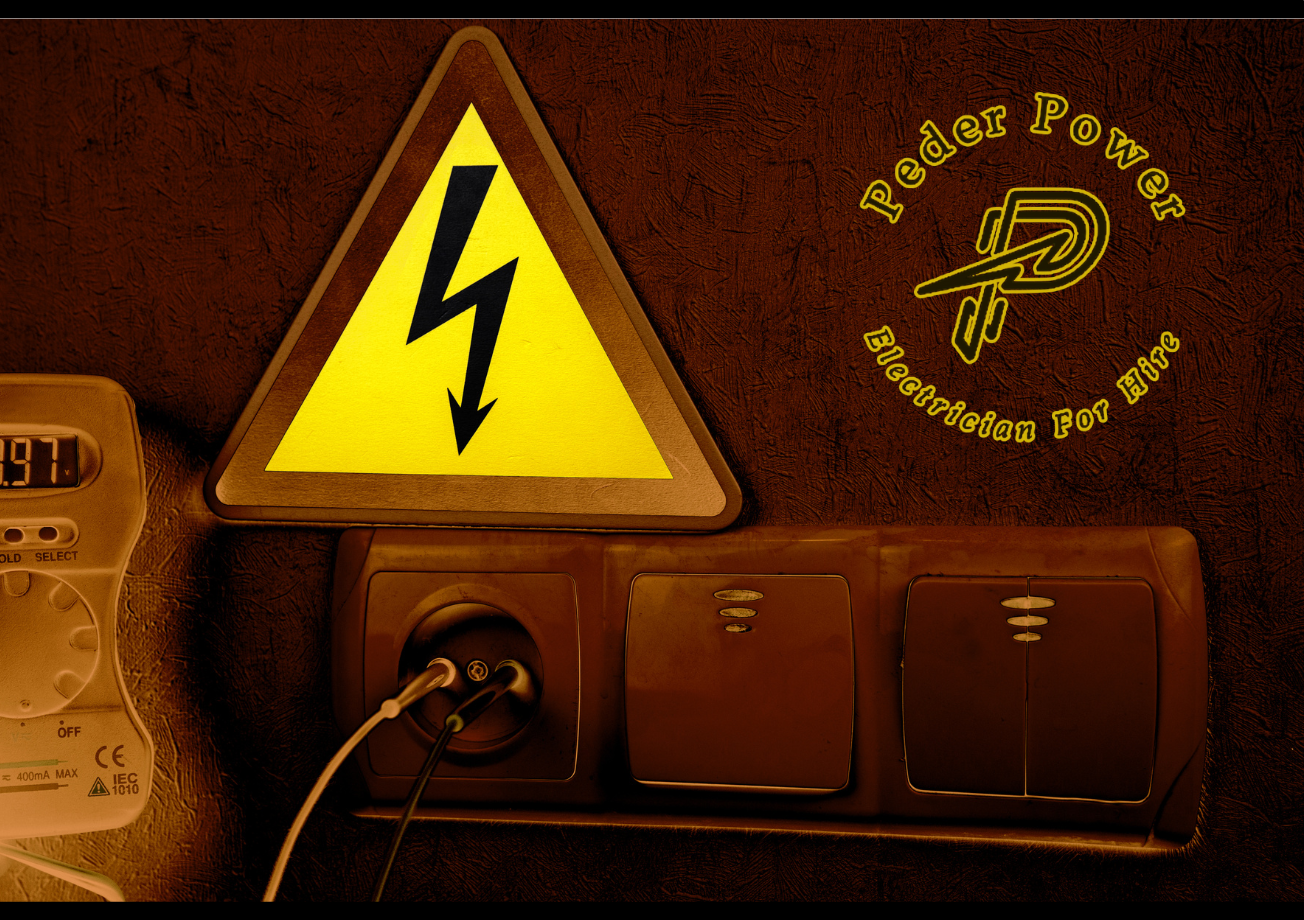
Stay Safe: Essential Electrical Safety Tips Every Homeowner Needs to Know
Electrical safety is crucial in every home. Even minor issues like frayed wires or flickering lights can escalate into serious hazards if left unchecked. Regular inspections and maintenance are essential to prevent accidents and ensure a safe living environment for your family.
Our team at Peder Power has spent countless hours consulting with certified electricians to compile a list of practical tips that every homeowner should know. These tips are not only easy to follow but also critical for minimizing risks. One of the foundational steps starts with something as straightforward as turning off the power before any inspections or repairs—a precaution that could save lives and property.
The top electrical safety tips for homeowners include regularly checking and replacing damaged power cords, ensuring outlets have protective faceplates, and keeping electrical devices away from water. Additionally, it’s crucial to follow appliance instructions, unplug unused appliances, and maintain proper air circulation around electrical equipment to prevent overheating.
Turn Off the Power Before Inspections
When it comes to electrical inspections or repairs, there’s one cardinal rule to always remember: turn off the main power switch at the breaker box before you begin. It’s not just a guideline; it’s critical for your safety. The main power supplies electricity to every part of your home, and working on any electrical fixture with the power on can lead to dangerous consequences like electric shocks or even electrocution.
Reinforcing Safety Measures
We’re all aware of the potential dangers of electricity, but it’s unsettling how easily we can overlook or underestimate them, especially when we’re accustomed to seeing and using electrical devices regularly. One way to reinforce this crucial safety practice is by using a voltage tester before starting any work. A voltage tester is a simple tool that helps confirm if electrical circuits are live or not. It can provide peace of mind knowing you have verified that the power is indeed off, ensuring absolute safety as you carry out any electrical tasks.
Imagine wanting to fix a broken light switch and forgetting to turn off the power first. Without realizing it, you could touch a wire still carrying current and receive a significant shock. However, testing the wires with a voltage tester before working on them ensures that they are safe to handle.
It’s not about just being careful; it’s about taking proactive steps to prevent accidents from happening in the first place.
Furthermore, always double-check, even after turning off the main switch. Sometimes circuit breakers may be faulty and fail to cut off power as intended. Even skilled electricians follow this golden routine—never assume the power is off just because you’ve flipped a switch.
Remember, safety should always come first when dealing with anything related to electricity. Any shortcuts taken in this aspect could lead to irreparable harm. Always remember that it’s better to be safe than sorry!
Ensuring the safety of your home through proper maintenance is key, and one vital aspect of this is regular appliance and device maintenance. Let’s explore how simple upkeep routines can go a long way in preventing electrical accidents.
Regular Appliance and Device Maintenance
Appliances and devices are the workhorses of our homes. They make our lives easier, more comfortable, and more efficient. But just like a car that needs regular oil changes and tune-ups, these gadgets we rely on need some TLC too. Regular upkeep isn’t just good for their health; it’s also essential for keeping your home safe.
When inspecting your appliances and devices, keep an eye out for things like frayed wires, burned smells, or unusual sounds. If you notice any of these warning signs, don’t delay—replace damaged cords or parts immediately. Ignoring them might mean risking electrical fires or even getting a serious electrical shock.
Another critical aspect to be mindful of is dust and lint buildup. Over time, this can accumulate in vents and fans, causing inefficient performance, overheating, and potential fire hazards.
Think of it as a bit like cleaning out the gutters on your house—by keeping them clear of debris, you’re preventing damage to your home’s foundation. Similarly, by cleaning out appliance vents and fans from built-up dust and lint, you’re helping to prevent overheating, which can lead to malfunctions or worse.
It’s not just about keeping things running smoothly; regular maintenance can actually prolong the life of your appliances and devices, saving you money in the long run. When they work efficiently, they use less power too. This means lower utility bills—a win-win for both you and the environment.
For those tech-savvy individuals out there or those wanting a little modern convenience, consider using smart plugs with power schedules. These help to regulate power usage while also offering the ability to switch off appliances remotely if needed.
Keeping up with regular maintenance for your appliances and devices isn’t just about longevity—it’s crucial for maintaining a safe home environment. By taking small steps such as inspecting for damage, cleaning regularly, and using smart solutions when possible, you’re taking proactive measures toward ensuring the safety of your home space.
Navigating through the maze of electrical safety involves not only being cautious but also knowing how to use outlets effectively. Let’s now explore the proper usage of electrical outlets.
Proper Use of Electrical Outlets
Electrical outlets act as the gatekeepers of your home’s electrical system. They provide power to all the devices and appliances you use every day, but if they’re not used properly, they can also pose a hazard. To ensure safety and prevent electrical hazards, here are some important practices for the proper use of electrical outlets.
Avoid Overloading Outlets
Each outlet in your house can only handle so much power. Overloading an outlet can damage it and even lead to an electrical fire, much like carrying too many heavy bags at once can strain your back. This can easily happen with the multitude of devices we use every day. It’s especially dangerous when using high-wattage devices like space heaters or air conditioners. A good rule to follow is never to plug more than one high-wattage device into an outlet. If you need to use multiple high-wattage devices in one area, consider using a power strip with built-in surge protectors.
Utilize Power Strips with Surge Protectors
Power strips are useful as they allow you to safely plug multiple devices into a single outlet. When choosing a power strip, always opt for one that has built-in surge protection. A surge protector lowers the risk of electrical surges causing fire and helps prevent voltage spikes from harming your electronics. To further reduce the risk of overloading, avoid plugging a surge protector into another surge protector—a practice known as daisy-chain wiring, which is very dangerous.
Check Protective Faceplates and Secure Connections
Protective faceplates are not just for decoration; they actually play a critical role in preventing electric shocks. Ensure that all outlets have protective faceplates securely covering them, and if any are missing or damaged, replace them promptly. Additionally, loose or damaged connections within an outlet can cause sparking, overheating, and even fire. Regularly check all your outlets to make sure they are firmly connected to the wall and have no visible signs of damage.
Repair Damaged Outlets Promptly
If you notice any damage, scorch marks, or other signs of wear on an outlet, have it examined and repaired by a certified electrician immediately. Trying to fix it yourself can be risky and may result in more damage or personal injury.
By following these best practices for electrical outlets, you can significantly reduce the risk of electrical hazards and maintain a safe living environment for you and your family.
Maintaining a safe living environment involves proactive measures like these that keep potential hazards at bay. Now let’s explore another essential aspect—effective cable management that not only ensures safety but also keeps your living space looking neat and organized.
Safe Cable Management
Cable management might not seem like the most thrilling subject, but when done right, it plays a crucial role in electrical safety at home. The aim is to keep cords tidy, prevent tripping hazards, avoid damage, and ensure that they don’t overheat. Let’s explore why this matters and how you can manage your cables safely and efficiently.
Many homes have a variety of electronic devices such as computers, TVs, lamps, and chargers, spread throughout different rooms, each with its own power cords and cables. Proper cable management not only keeps your living space neat but also prevents accidents or damage caused by loose cords.
Preventing Tripping Hazards
Loose, unruly cords can create tripping hazards, especially around high-traffic areas or near doorways. A simple trip over a cord could lead to a fall or even damage to the devices connected to those cords. By organizing and securing your cables, you reduce the risk of accidents and create a safer environment for everyone in the household.
Consider using cable ties or cord covers to neatly bundle and secure cords along baseboards or behind furniture. This not only reduces tripping hazards but also prevents unnecessary wear and tear on the cables themselves.
Overheating Prevention
Running cables under rugs or furniture might seem like a convenient way to keep them out of sight, but it can actually cause overheating and potential fire hazards. When cords are placed under rugs or tightly against furniture, the heat they produce has nowhere to dissipate. As a result, this trapped heat can build up and potentially damage the cords or surrounding materials.
Remember: It’s crucial to avoid running cables near heat sources such as radiators or heaters as well.
Pet and Child Safety
Children and pets are naturally curious and may be drawn to play with exposed cords. To keep both children and pets safe, store cables away from areas where they play or relax. Tuck cords behind furniture or use cord concealers to prevent them from being accessed. Additionally, consider investing in smart storage solutions that can keep cords neatly organized while out of reach.
Overall, effective cable management involves keeping things organized to maintain safety and uphold the integrity of your electrical system without sacrificing aesthetics. By making conscious choices about how you manage your cables, you not only reduce hazards but also contribute to creating a more visually appealing living space. To maintain a safe and efficient electrical system in your home, it’s important to know when professional intervention is needed—especially for issues beyond DIY solutions. Let’s dive into “When to Call a Professional” for safeguarding your home’s electrical infrastructure.
When to Call a Professional
As homeowners, it’s essential to recognize the signs that indicate the need for professional electrical assistance. While many minor electrical tasks can be managed personally, certain warning signs and complex issues should prompt you to seek help from a licensed electrician without hesitation.
Frequent circuit breaker trips and unexplained power outages may indicate an underlying issue within your electrical system, stemming from faulty wiring or overloaded circuits. In such cases, consulting a professional who can conduct a thorough inspection and address the root cause is crucial.
Scorching smells and flickering lights are red flags that should immediately alert homeowners to potential electrical hazards. Ignoring these warning signs can lead to dangerous outcomes, such as electrical fires or equipment damage. A licensed electrician possesses the expertise to diagnose the source of these issues and implement effective solutions to ensure safety and functionality.
In situations that call for rewiring or major installations, engaging the services of a qualified professional is paramount. Attempting complex electrical tasks without the necessary knowledge and skill set can pose significant risks to both property and personal safety. DIY electrical work, particularly in cases of rewiring, poses safety risks, often leading to more damage—a costly outcome in terms of safety and finances.
Remember, DIY efforts are commonly associated with an increased risk of electrical hazards. It’s critical to prioritize safety by entrusting complex electrical tasks to experienced professionals.
By recognizing these warning signs and understanding the necessity of professional intervention in intricate electrical matters, you can effectively mitigate hazardous situations while ensuring the safety and efficiency of your home’s electrical system.
Recognizing the importance of professional intervention in electrical matters is just the first step in safeguarding your home. Let’s now examine the crucial role that routine electrical inspections play in maintaining a safe and effective living environment.
importance of Routine Electrical Inspections
You might not realize it, but your home’s electrical system needs regular check-ups, just like you do with your car or a visit to the doctor. Routine electrical inspections are crucial for keeping your home safe from potential hazards that can lurk out of sight. A professional inspection every 3-5 years, or more frequently for older homes, can uncover issues that could lead to electrical fires and other dangers.
During an inspection, electricians will assess the condition of your wiring, look for any signs of corrosion, and ensure your electrical system can handle its load without overloading. This thorough examination helps identify hidden issues such as faulty wiring, loose connections, or overloaded circuits before they spiral into serious hazards. By catching these problems early on, you can prevent potentially catastrophic events from occurring in the future.
For instance, did you know that annual electrical inspections have been shown to prevent up to 20% of home electrical fires? This simple preventative measure can make a significant difference in avoiding disasters.
Furthermore, regular inspections can bring peace of mind knowing that your home is equipped with a safe and reliable electrical system. You wouldn’t wait until a fire breaks out to install smoke detectors, right? Similarly, staying proactive by scheduling routine checks is essential for safeguarding your home and family.
By recognizing the importance of these routine electrical inspections, homeowners can take proactive steps to maintain the safety and integrity of their electrical systems.
Understanding the significance of regular electrical inspections allows homeowners to actively uphold the safety and reliability of their electrical systems. Now let’s dive into warning signs that indicate high voltage hazards at home.
High Voltage Warning Signs
High voltage can be hazardous, and it’s not always immediately obvious when something’s gone wrong. That’s where high voltage warning signs come into play. These signs are like a language that your home uses to alert you when something’s amiss. Whether it’s buzzing sounds coming from an outlet, switches that feel unusually warm, or discolored outlets, they all serve as vital indicators that something isn’t quite right.
Warning Signs to Watch For
Let’s take a closer look at each of these warning signs:
| Warning Sign | Potential Issue |
| Buzzing Sounds | Unusual buzzing or crackling sounds could indicate a serious problem, possibly leading to overheating. |
| Unusually Warm Switches | Unexpectedly hot switches might signal electrical overload or faulty wiring, both of which pose dangers. |
| Discolored Outlets | Any discoloration around outlets or switches could indicate arcing—an electrical discharge between conductors—requiring immediate attention from a professional electrician. |
Remember, these warning signs should never be taken lightly. Ignoring them can lead to severe electrical failures or even pose fire hazards in your home.
It’s crucial to address these signs promptly; when you notice any of these signs, turning off the power and contacting a professional electrician immediately for a thorough check is the safest course of action. To ensure your safety, don’t attempt to investigate or fix the issue yourself.
Imagine these warnings as traffic lights for your home’s electrical system—red means stop and get help immediately. It’s always better to be safe than sorry when dealing with electricity.
By paying attention to these high-voltage warning signs and acting quickly when they arise, you can help prevent potential electrical hazards in your home and ensure the safety of your family and property.
To further enhance the safety of your home, consider consulting a professional electrician for any concerns about warning signs indicating potential electrical hazards.
What are the most common electrical hazards in homes?
The most common electrical hazards in homes include faulty wiring, overloaded circuits, and improper use of electrical cords. According to the National Fire Protection Association (NFPA), electrical issues were the cause of approximately 47,820 home structure fires in the United States in 2018. These hazards can lead to electrical shocks, electrocutions, and fires if not addressed and properly managed.
What are the signs that indicate electrical wiring may need to be replaced?
Signs that indicate electrical wiring may need to be replaced include frequent power surges, circuit breakers frequently tripping, flickering or dimming lights, burning smells or unusual odors near outlets, and sparks or smoke coming from outlets. According to the U.S. Fire Administration, faulty electrical wiring is one of the leading causes of residential fires in the country, accounting for approximately 23% of all fires. Investing in regular inspections and the immediate replacement of outdated or damaged wiring ensures a safer home environment.
How can homeowners prevent electrical fires in their homes?
Homeowners can prevent electrical fires in their homes by following some key safety measures. Firstly, they should regularly inspect and replace damaged, outdated, or worn-out electrical cords and plugs. Secondly, it’s crucial to avoid overloading outlets and using extension cords excessively. Additionally, homeowners should install smoke detectors on every floor of their homes and test them monthly to ensure they are in working order. Lastly, it’s important to hire a licensed electrician for any electrical repairs or installations to ensure compliance with safety standards. According to the National Fire Protection Association (NFPA), electrical failures or malfunctions were involved in an estimated 45,210 home structure fires in the United States in 2018 alone.
What steps can homeowners take to ensure the safety of their outdoor electrical systems?
Homeowners can ensure the safety of their outdoor electrical systems by following a few key steps. Firstly, it is important to regularly inspect all outdoor outlets and fixtures for any signs of damage or wear. Secondly, installing Ground Fault Circuit Interrupters (GFCIs) can provide protection against electrical shock in outdoor areas. Additionally, using weatherproof outlet covers and enclosures can protect outdoor outlets from moisture and debris. Finally, it is crucial to avoid overloading circuits and extension cords when using outdoor electrical equipment to prevent fire hazards. According to the U.S. Consumer Product Safety Commission, over 5,000 people are injured annually due to electrical incidents related to outdoor electrical systems, making these safety measures essential for homeowners.
Are there any specific safety measures that homeowners should take when using electrical appliances or tools?
Absolutely, there are several important safety measures that homeowners should follow when using electrical appliances or tools. Firstly, always inspect cords and plugs for any signs of damage and replace them if necessary to prevent electrical shocks or fires. Secondly, it is vital to avoid overloading outlets by using too many appliances at once, as it can lead to overheating and potentially cause a fire. Additionally, using ground fault circuit interrupters (GFCIs) in areas with water exposure, such as kitchens and bathrooms, can significantly reduce the risk of electrocution. According to the National Fire Protection Association (NFPA), electrical malfunctions accounted for an estimated 51,000 home structure fires in the United States in 2020 alone. These safety measures can help homeowners protect their homes from electrical hazards and minimize the risk of accidents or property damage.