


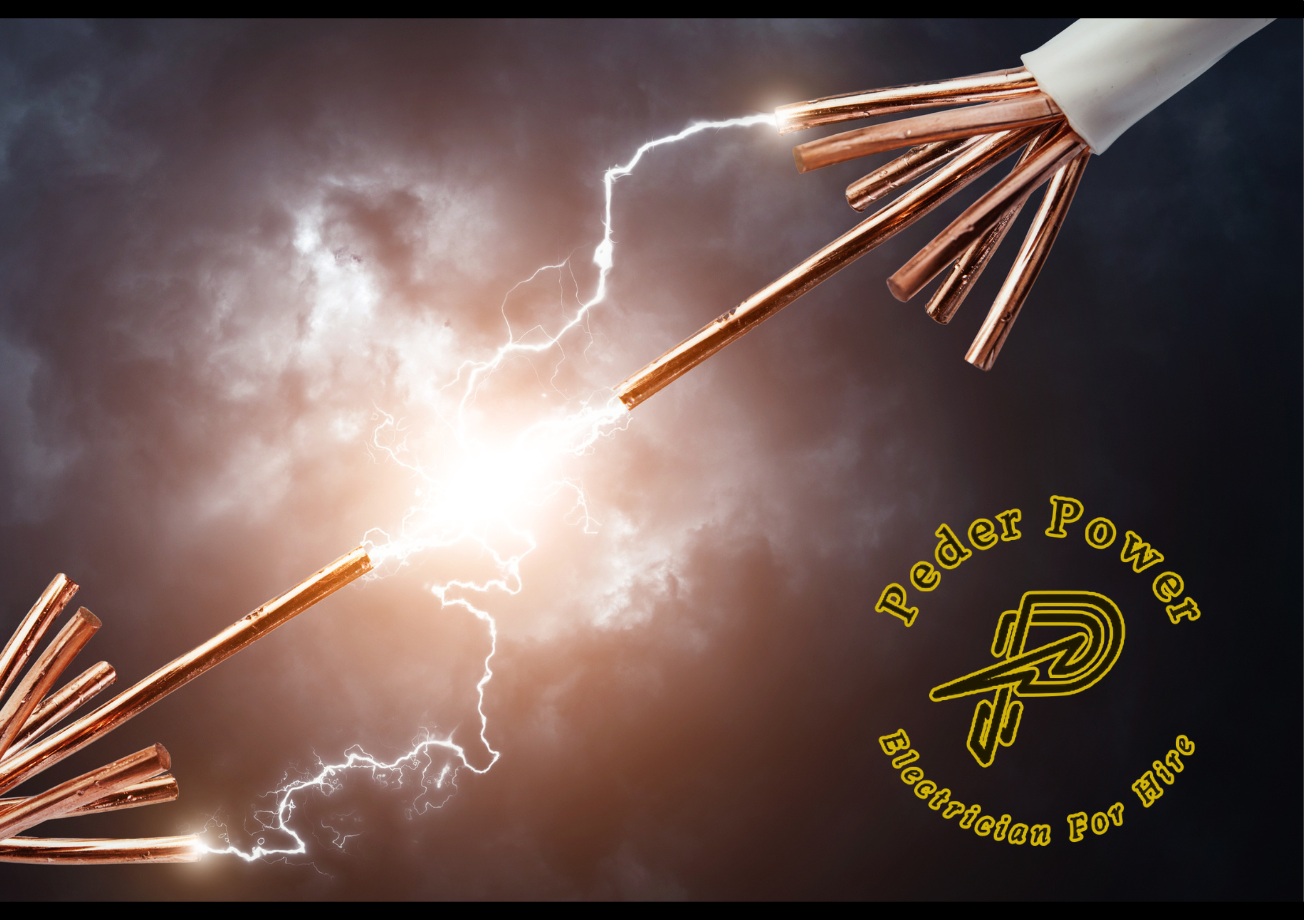
What to Do in an Electrical Emergency: A Lifesaving Guide
When faced with an electrical emergency, knowing exactly what to do can mean the difference between a minor scare and a major disaster. Every flicker of a light or unusual sound from an outlet can ignite anxiety, especially when your family’s safety is on the line. Common scenarios like these might seem trivial at first glance, but they are signs pointing towards potentially serious hazards like electrical fires or harmful shocks. Generally overlooked until it’s too late, understanding how to handle these situations calmly and safely is crucial for any DIY enthusiast or concerned homeowner.
This guide was crafted after extensive research, numerous consultations with certified electricians, and hands-on testing to bring you clear, reliable advice. Imagine the peace of mind when you realize that just by assembling a few essential items or learning basic procedures, you can transform how you respond to emergencies. As we dive into these preventive steps, you’ll find that being prepared isn’t just about having tools; it’s about empowering yourself with knowledge and confidence that could protect your home and loved ones.
In the event of an electrical emergency, it is crucial to prioritize safety. If someone has come into contact with live electricity, immediately call emergency services and avoid touching the person directly. To protect yourself, de-energize the circuit at the breaker panel to cut off the power source. Always prioritize safety and seek professional assistance promptly.
Prepare for an Electrical Emergency
Electricity provides us with countless benefits, but it’s important to be prepared for electrical emergencies. Now more than ever, when we’re so dependent on electricity for much of our daily lives, having a plan in place is essential. Let’s start by assembling an emergency kit.
Assemble an Emergency Kit
Think of the emergency kit as your first line of defense against mishaps. It should include items that can help you navigate through a crisis when electricity poses a threat. Here are some essential items that should be in your emergency kit:
| Essential Items | Description |
| Flashlight | In case of a power outage, a flashlight can help you find your way around safely. |
| Batteries | Store extra batteries for your flashlight and any other battery-powered devices. |
| First-aid kit | Make sure it has all the essentials to deal with minor injuries during an electrical emergency. |
| Emergency contact list | Numbers for emergency services, family members, and neighbors who can assist in case of an emergency. |
| Battery-operated radio | Ensures access to important news and announcements even if there’s a power outage. |
Store this emergency kit in a designated and easily accessible location known to all household members.
It’s not just about having the kit, though; regularly check to ensure everything is still working, has fresh batteries, and hasn’t expired.
Learn Emergency Procedures
Knowing how to respond during an electrical emergency is critical for safeguarding yourself and your loved ones. Start by educating every member of your household about the following key procedures:
- Shutting off electricity at the breaker panel: Ensure everyone knows how to safely turn off the power supply during an emergency.
- Locating fire extinguishers: Having easy access to a fire extinguisher can prevent small electrical fires from worsening.
- First aid and CPR course: Consider enrolling in a first aid and CPR course.
Teaching kids how to recognize different breakers might seem tricky at first, but turning it into a fun game (“Which switch turns off the kitchen lights?”) can make learning important safety measures enjoyable.
By making these preparations and instilling a sense of readiness within your household, you’re taking proactive steps to ensure safety during an electrical emergency.
In addition to being well-equipped to handle electrical emergencies, it’s also crucial to recognize the signs of potential hazards at home. Let’s explore how to identify these risks and mitigate them effectively.
Identifying Electrical Hazards
Recognizing electrical hazards is a critical step in preventing dangerous situations. It’s crucial to keep an eye out for potential issues in your home’s electrical system. Let’s dive into some of the common warning signs that indicate possible electrical hazards.
Recognize Outdated Wiring
Outdated or faulty wiring poses a significant risk in homes. One common indication of this issue is flickering lights. If you notice your lights flickering without any apparent reason, it could be a sign of loose wiring or problems within the electrical system. Additionally, frequently tripped circuit breakers and warm or discolored outlets are red flags that shouldn’t be overlooked. These signs indicate something wrong with the electrical wiring or circuits and should be addressed immediately.
Older homes may have outdated wiring systems that are not equipped to handle modern electricity demands. This can pose a serious safety hazard, as outdated wiring is more prone to short circuits and electrical fires.
Spot Overloaded Circuits
An overloaded circuit occurs when too many devices draw power from a single outlet or circuit. This can happen when multiple high-power-consuming appliances are plugged into the same power strip or outlet. To avoid overloading circuits, it’s important to use power strips with built-in surge protectors and refrain from daisy-chaining multiple power strips together. Overloaded circuits not only increase the risk of tripping circuit breakers but also pose a fire hazard due to excessive heat buildup.
Remember, electrical circuits are designed to carry a certain amount of electricity, and exceeding this capacity can lead to severe consequences, including fires, damage to appliances, and electrocution.
Detect Faulty Appliances
Appliances that show visible signs of wear and tear, such as frayed cords or broken plugs, should be immediately unplugged and replaced. Moreover, devices that spark when plugged in should not be ignored, as they could indicate internal faults that may lead to electrical fires.
Imagine coming home and noticing that your toaster sparks whenever it’s plugged in. This seemingly harmless phenomenon could be the result of damaged internal components within the appliance. Ignoring such warning signs increases the risk of electrical fires and puts your home and family in danger.
By staying vigilant for these warning signs of potential electrical hazards, you can take proactive measures to address any issues before they escalate into full-blown emergencies. This level of awareness and attentiveness will greatly contribute to maintaining a safe and secure living environment for you and your loved ones.
In recognizing these potential risks, we acknowledge the need for quick thinking and immediate action when faced with electrical emergencies. Now let’s dive into the crucial steps for handling such urgent situations with calmness and precision.
Immediate Actions During Emergencies
Imagine you’re at home and suddenly smell something burning or see smoke coming from an electrical source. It’s a frightening situation, but knowing what to do can make all the difference. Your quick action can prevent more significant damage and ensure everyone’s safety.
The first thing to remember is not to take any unnecessary risks. If you smell something burning or see smoke, evacuate immediately and call 911. Do not attempt to turn off the power if it puts you at risk. It’s crucial to prioritize your safety and let the professionals handle the emergency. Remember, material possessions can be replaced but your safety cannot.
Once you are in a safe area, the next step is to de-energize the circuit at the breaker panel to cut off the power source. This can prevent further electrical damage and reduce the risk of fire or shock. However, this should only be done once it is safe to do so. Always use an insulated tool to turn off the circuit breaker, never use your bare hands, as this could lead to electrical shock.
Another important aspect during electrical emergencies is to avoid contact with water. Water significantly increases the risk of electrical shock. Never touch electrical installations with wet hands or when standing in water. It’s crucial to stay away from any water sources in the event of an electrical emergency, as it can pose a serious hazard and increase the risk of electric shock.
Remember that keeping calm during an emergency is essential for making the right decisions. It’s also important to have first-aid supplies readily available for emergencies such as these.
Every year, thousands of accidents happen due to electrical emergencies, and following these immediate actions can make a significant difference in ensuring safety and preventing further harm.
Essential Safety Gear
When it comes to handling electrical emergencies, having the right safety equipment can make all the difference. Here are some essential tools and gear to keep in your emergency kit to ensure that you’re prepared to handle any electrical mishap.
Insulated Gloves
It’s crucial to invest in a pair of high-quality, rubber-insulated gloves that can protect you while handling electrical components during an emergency. These gloves are specially designed to withstand up to 1000 volts, providing a protective barrier between you and the electric current. They are an absolute must-have for ensuring your safety, especially when dealing with live wires or electrical panels.
These gloves provide critical insulation and prevent electric shocks that could result from accidental contact with live electrical parts. When shopping for these gloves, look for those that have been tested and certified to meet electrical safety standards. Ensure they fit well and are comfortable to wear for an extended period of time.
Safety Goggles
In an emergency situation, wearing safety goggles is essential to protect your eyes from sparks, debris, or any other hazardous materials that may be released during an electrical incident. High-quality safety goggles are impact-resistant and provide 99% UV protection, safeguarding your eyes from potential harm.
Remember, even tiny particles or debris can cause serious eye injuries if they come into contact with your eyes. Wearing safety goggles can significantly reduce the risk of eye damage from flying debris, arc flashes, or chemical exposure in the event of an electrical emergency.
Always keep your safety goggles within easy reach, preferably stored alongside your insulated gloves and other essential protective gear. In the event of an emergency, being able to quickly equip yourself with these protective items can make a critical difference in ensuring your safety.
Fire Extinguishers
During an electrical emergency, having a fire extinguisher on hand is vital for quickly managing any electrical fires that may occur. It’s important not just to have a fire extinguisher but also to ensure that everyone in your household knows how to use it effectively.
You should stock a Class C fire extinguisher, as it is specifically designed for electrical fires. Ensure it is easily accessible and visible in areas prone to electrical emergencies, such as near the circuit breaker panel. Conduct regular checks on the fire extinguisher to ensure it is operational and has not expired.
Remember that using a fire extinguisher requires a certain level of familiarity with its operation, so it’s crucial to familiarize yourself and others with proper handling techniques. In moments of crisis, you’ll want everyone present to be able to confidently respond swiftly and effectively if an electrical fire breaks out.
Electricity can be unpredictable, so having a working fire extinguisher on hand provides an additional layer of defense in case of unexpected electrical fires. Quick access to this lifesaving tool can help mitigate potential damages before they escalate, making it a crucial component of your emergency preparedness plan.
Now equipped with essential gear for handling electrical emergencies, the next step is understanding how to deal with injuries resulting from electrical accidents without further exacerbating the situation.
Managing Electrical Injuries
Electrical injuries can be alarming, especially when they occur unexpectedly. It’s crucial to stay calm and take prompt, decisive action to ensure the safety of the victim. Here are some important steps to follow in the event of an electrical injury.
Do Not Touch the Victim Directly
De-energizing the power source is the first and most crucial step to take in order to stop further damage after an electricity injury. If it’s not possible to turn off the power source immediately, do not attempt to touch or pull the victim off the current with your bare hands. Doing so could result in injury to yourself. Instead, use a non-conductive object such as a wooden stick to carefully separate the victim from the electrical source.
It’s essential to remember that coming into direct contact with a person who is still in contact with a live electrical source can result in a dangerous situation. By using a non-conductive object like a wooden stick or a piece of plastic to separate the victim, you avoid risking your own safety while providing immediate assistance to the injured individual.
Call Emergency Services
Upon ensuring that the victim is no longer in contact with the electrical source, dial emergency services immediately by calling 911. Describe the situation accurately and provide as much information as possible. If you are trained in first aid, consider administering CPR or rescue breathing if the victim is not breathing or does not have a pulse.
When contacting emergency services, provide clear and detailed information about the situation and follow any instructions given by the dispatcher. Every second counts in an emergency, and accurate information ensures that appropriate help is dispatched quickly.
Treat for Shock
Once emergency services have been contacted, keep the victim lying down in a comfortable position and offer reassurance while waiting for help to arrive. It’s essential not to move them unnecessarily, especially if there is a possibility of neck or back injury. By keeping the victim warm and comfortable, you can help minimize shock and reduce further complications until professional medical assistance is available.
For example, if the victim is unconscious, it is recommended to place them on their side (recovery position) to allow fluids to drain and clear their airway. This can help prevent potential choking and further complications.
In summary, immediate action is crucial when dealing with electrical injuries. By following these steps carefully, you can provide vital assistance while awaiting professional medical attention, ultimately contributing to better outcomes for the injured individual.
Understanding how to manage electrical injuries is just one aspect of ensuring electrical safety at home. Now, let’s shift our focus to securing your home’s power system, which plays an integral role in preventing electrical emergencies.
Securing Your Home’s Power System
Your home’s electrical setup is the backbone of all your appliances and devices, making it essential to maintain a safe and efficient power system. Here are some important steps you can take to ensure the safety and reliability of your home’s electrical system.
Schedule Annual Inspections
Regular electrical inspections by professionals from reputable companies like Peder Power are crucial for identifying and addressing potential hazards before they escalate into dangerous situations. These experts can thoroughly examine your wiring, outlets, circuit breakers, and other components to spot any wear and tear or signs of overloading. By addressing these issues early, you can safeguard your home from electrical mishaps and ensure the longevity of your electrical system.
Upgrading Outdated Systems
If your home’s electrical system is outdated, it may not have the capacity to meet the demands of modern appliances and electronics, posing a safety risk. Consider enlisting the services of professionals to modernize your electrical wiring and components. Upgrading old systems not only ensures a safer and more efficient power supply but also brings your home up to current safety standards, reducing the risk of electrical complications or malfunctions.
Installing Surge Protectors
Power surges can damage sensitive electronic devices like computers, TVs, and kitchen appliances. To mitigate this risk, consider installing whole-house surge protectors to shield your valuable electronics from sudden voltage spikes. These surge protectors are designed to intercept excess voltage and divert it away from your devices, preventing potential damage due to power surges.
For instance, if lightning strikes nearby or there’s an issue with the power grid, a surge protector can act as a defense barrier for all connected devices in your home.
These measures play a pivotal role in maintaining a safe and reliable electrical system within your home. By proactively scheduling inspections, upgrading outdated systems, and installing surge protectors, you can significantly reduce the risk of electrical emergencies and enhance the overall safety and efficiency of your home’s power infrastructure.
As we’ve established the importance of securing your home’s power system, it’s essential to know what steps to take after experiencing an electrical emergency. Let’s proceed to explore “Post-Emergency Steps and Recovery” to ensure comprehensive preparedness for unforeseen events.
Post-Emergency Steps and Recovery
When recovering from an electrical emergency, the aftermath can be daunting, but specific steps should be taken to ensure the safety and wellbeing of everyone in the affected area.
Assess Damage Safely
The first thing to do after an electrical emergency is to assess the damage. However, safety should always come first. Use a flashlight, not a candle or a match, to carefully inspect for any visible damage or hazards. Avoid turning on appliances until a professional inspection confirms it’s safe, as unseen damage to the electrical system could pose serious risks.
Keep an eye out for any visible signs of damage such as frayed wires, burnt outlets, or scorch marks. If you notice any of these signs, it’s crucial to avoid contact with the affected areas and to refrain from using any electrical appliances until they have been thoroughly inspected by a qualified professional.
Document the Incident
In any emergency situation, documentation is key. Take detailed photographs and write down a comprehensive account of what happened during the electrical emergency. This information not only serves as vital evidence for insurance claims but also helps in implementing future safety improvements. This detailed record may assist professionals in understanding the extent of the damage and addressing potential hazards more effectively.
Capturing clear images and keeping a thorough log of events can also provide evidence of the existence and progression of damage, which is invaluable when filing insurance claims or seeking legal assistance if necessary. Additionally, this documentation may serve as a reference for future preventative measures against similar emergencies.
Consult Professionals
After an electrical emergency, it’s essential to seek help from experts who specialize in electrical systems. Contact Peder Power for a comprehensive evaluation and repairs. Their expertise will play a vital role in ensuring that all electrical systems are fully restored and safe for use.
Electrical emergencies can leave lasting effects on your home’s wiring and power infrastructure. Seeking professional assistance from qualified electricians like those at Peder Power ensures that every aspect of your electrical system is thoroughly examined and any necessary repairs or replacements are expertly carried out. This not only restores functionality but also guarantees that safety standards are met, providing peace of mind for you and your loved ones.
By following these post-emergency steps and recovery processes, you can ensure that your home is safe from hidden dangers associated with an electrical emergency and pave the way for efficient restoration of your electrical systems.
In times of distress following an electrical emergency, prioritizing safety and professional assessment is paramount. Let us help you recover swiftly! Call us at (612) 208-3826 or visit our website here for immediate assistance.
How can I identify if I am experiencing an electrical emergency?
In an electrical emergency, you may experience symptoms such as flickering lights, sparking outlets, circuit breakers frequently tripping, or a burning smell. These signs indicate potential electrical hazards that should not be ignored. According to the National Fire Protection Association (NFPA), electrical malfunctions accounted for 7% of all home fires in the United States in 2020. Therefore, if you notice any of these warning signs, it is crucial to prioritize your safety and take immediate action to prevent further damage or potential fire risks.
What are the long-term consequences of mishandling an electrical emergency?
Mishandling an electrical emergency can have serious long-term consequences. The most significant is the risk of electrical shock, which can lead to severe injuries or even death. According to the Electrical Safety Foundation International, there were approximately 2,210 non-fatal electrical injuries in the United States in 2019 alone. In addition, mishandling an electrical emergency can cause fires and property damage, putting lives at risk and resulting in expensive repairs. Properly addressing an electrical emergency is crucial to prevent these potential long-term consequences.
What immediate steps should be taken during an electrical emergency?
In an electrical emergency, the immediate steps to take are as follows: first, ensure your personal safety by staying away from the source of the emergency and avoiding contact with any live electrical equipment. Then, quickly assess the situation and, if possible, cut off power supply at the main switch or breaker. If someone is injured due to electric shock, call emergency services immediately. Remember, according to data from the National Fire Protection Association (NFPA), electrical malfunctions accounted for approximately 47,820 residential fires in 2018 alone, emphasizing the importance of acting swiftly and safely during an electrical emergency.
What are the common causes of electrical emergencies?
The common causes of electrical emergencies include faulty wiring, overloaded circuits, and electrical equipment malfunctions. Faulty wiring, such as frayed or exposed wires, can lead to short circuits and electrical fires. Overloaded circuits occur when too many appliances or devices are plugged into a single outlet, causing excessive heat and potential fire hazards. Electrical equipment malfunctions, like defective switches or outlets, can also cause shocks, fires, or explosions. According to the National Fire Protection Association (NFPA), electrical failures or malfunctions accounted for approximately 45,210 home structure fires in the United States in 2020. Therefore, it is crucial to be aware of these common causes and take preventive measures to ensure electrical safety.
Are there any safety precautions to follow while waiting for professional help in an electrical emergency?
Yes, there are several safety precautions to follow while waiting for professional help in an electrical emergency. Firstly, it’s essential to stay away from the source of the problem and avoid contact with any live wires or appliances. If possible, turn off the main power supply to prevent further accidents. It is also crucial to keep everyone in the area informed about the situation and ensure they remain at a safe distance. According to statistics from the National Fire Protection Association, electrical malfunctions contribute to over 45,000 home fires annually in the United States, emphasizing the importance of exercising caution while waiting for professional assistance.